
Introduction
Smoke and heat alarms are arguably the most important safety devices in our homes, whether in houses, flats, owned properties, rentals, or temporary accommodation such as student housing. These life-saving systems must be designed, installed, commissioned, and maintained according to building regulations and BS 5839-6, the British Standard for Grade D domestic fire alarm systems.
We would naturally expect that industry leadership and governance ensure those undertaking this work are technically assessed for competence, just as we rely upon for electrical installations and gas appliances.
Worryingly, this is not the case.
The Current Problem
For decades, electrical contractors have worked to designs produced by housebuilders, electrical consultants, detector manufacturers, and others. These organisations operate outside any technical assessment or third-party competency scheme. Despite failing to comply with building regulations and BS 5839-6, these designs have consistently passed building regulatory approval.
Electrical contractors then install systems based on these flawed designs, which often contain critical problems including insufficient fire detectors, incorrect detector types, inadequate standby battery capacity, and an absence of accessible controls to silence, reset, and test the system.
Most importantly, designers often fail to produce the design certificate required by BS 5839-6, leaving responsibility and accountability unclear. When electrical contractors raise compliance concerns or request additional detection, they face resistance and risk losing contracts if their quotations reflect the true compliance costs.
Installation and Commissioning Failures
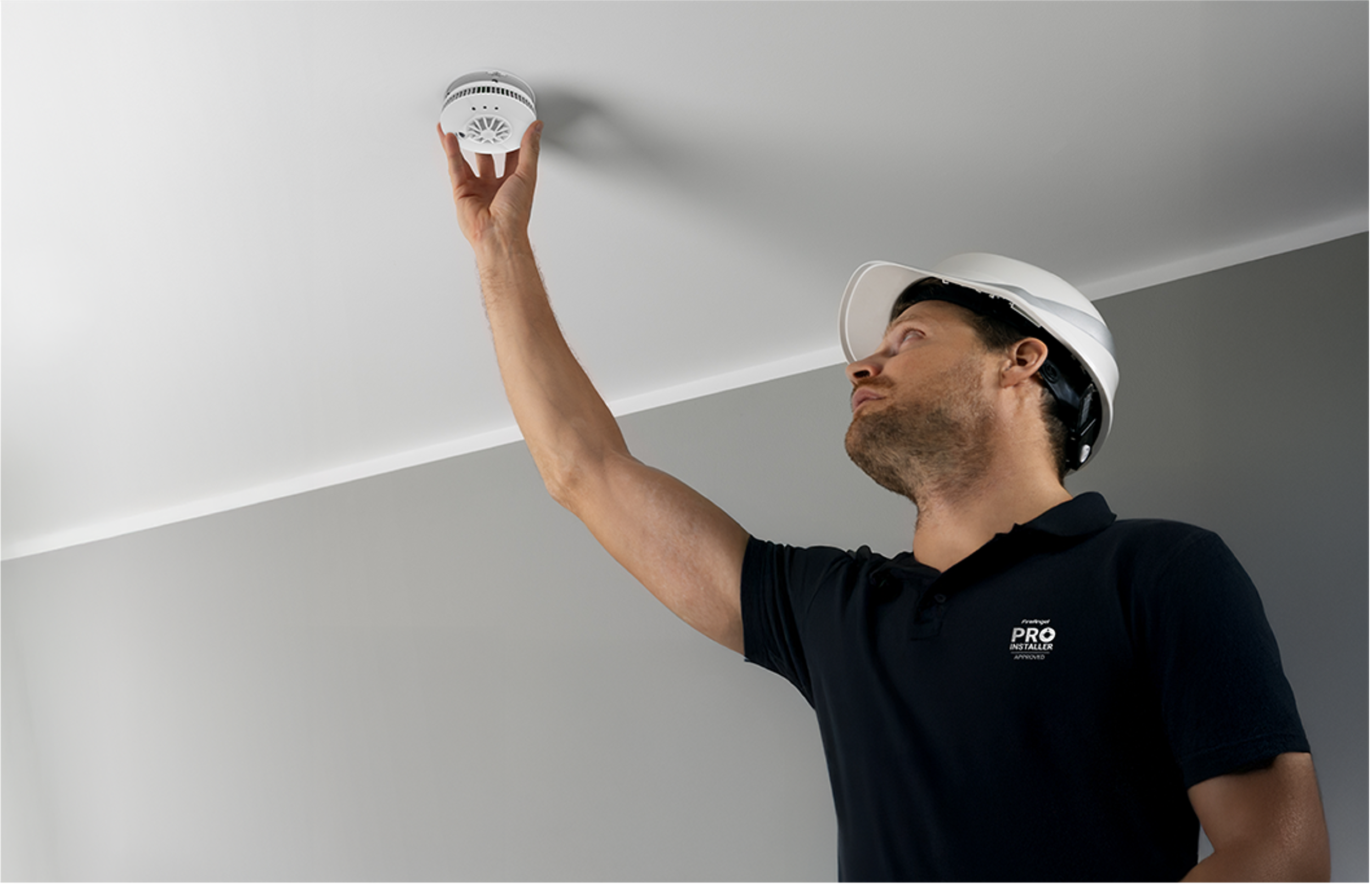
Electricians frequently introduce further problems during installation and commissioning. These include incorrect detector placement, missing warning labels to prevent residents from inadvertently isolating their systems at the mains, and failure to test detectors with proper test apparatus.
BS 5839-6 requires comprehensive user information covering system operation, periodic testing, false alarm prevention, and fire response procedures. Critically, it must include specific wording warning that children do not wake when fire alarms sound and must be woken and taken to safety.
Despite these requirements, electrical contractors routinely issue certificates declaring full compliance with BS 5839-6 to clients and building control, who accept these systems on behalf of residents, even when numerous defects exist and no design certificate has been provided.
Why Is This Happening?
Until July 2021, when BAFE introduced its DS 301 scheme, no third-party certification scheme assessed the design, installation, commissioning, and maintenance of Grade D fire alarm systems in domestic dwellings.
Certification bodies in the electrical sector provide technical assessment under the Part P scheme for domestic electrical installations. However, fire alarm circuit compliance with BS 5839-6 is explicitly excluded from this assessment. This fact is often buried in terms and conditions and not evident to consumers.
The situation gets worse. These same certification bodies sell BS 5839-6 Grade D certificate templates to electrical contractors. Stakeholders such as clients and building control authorities then accept these certificates at face value, relying on the credibility associated with the electrical certificates from the same body.
The Cycle of Incompetence
This creates a dangerous cycle. Designers without proper competence create flawed systems, which are installed by electrical contractors with their own knowledge gaps, then certified and accepted by consumers or their representatives. The result is non-compliant systems being delivered to residents on a significant scale.
The Path Forward
Since the launch of the BAFE DS301 scheme in 2021, uptake among consumers and specifiers has been disappointingly low. Following the Grenfell tragedy and the subsequent inquiry highlighting the need for demonstrable competence, why are designers, installers, commissioners and maintainers of Grade D fire alarms not required to be BAFE DS301 certificated?
Industry leaders responsible for consumer protection have failed to effectively raise awareness among key stakeholders - house builders, social housing organisations, principal contractors, and building control authorities. These groups need to understand the BAFE DS301 scheme's existence and importance.
Take Action
To learn what domestic fire alarm system compliance actually requires, register for a free CPD-certificated knowledge transfer session. Delivered at your premises by FireAngel Technologies in strategic partnership with Rely on Fire Check, this session provides delegates with a comprehensive understanding of compliance and competence requirements, plus practical solutions for Grade D fire alarm systems.