
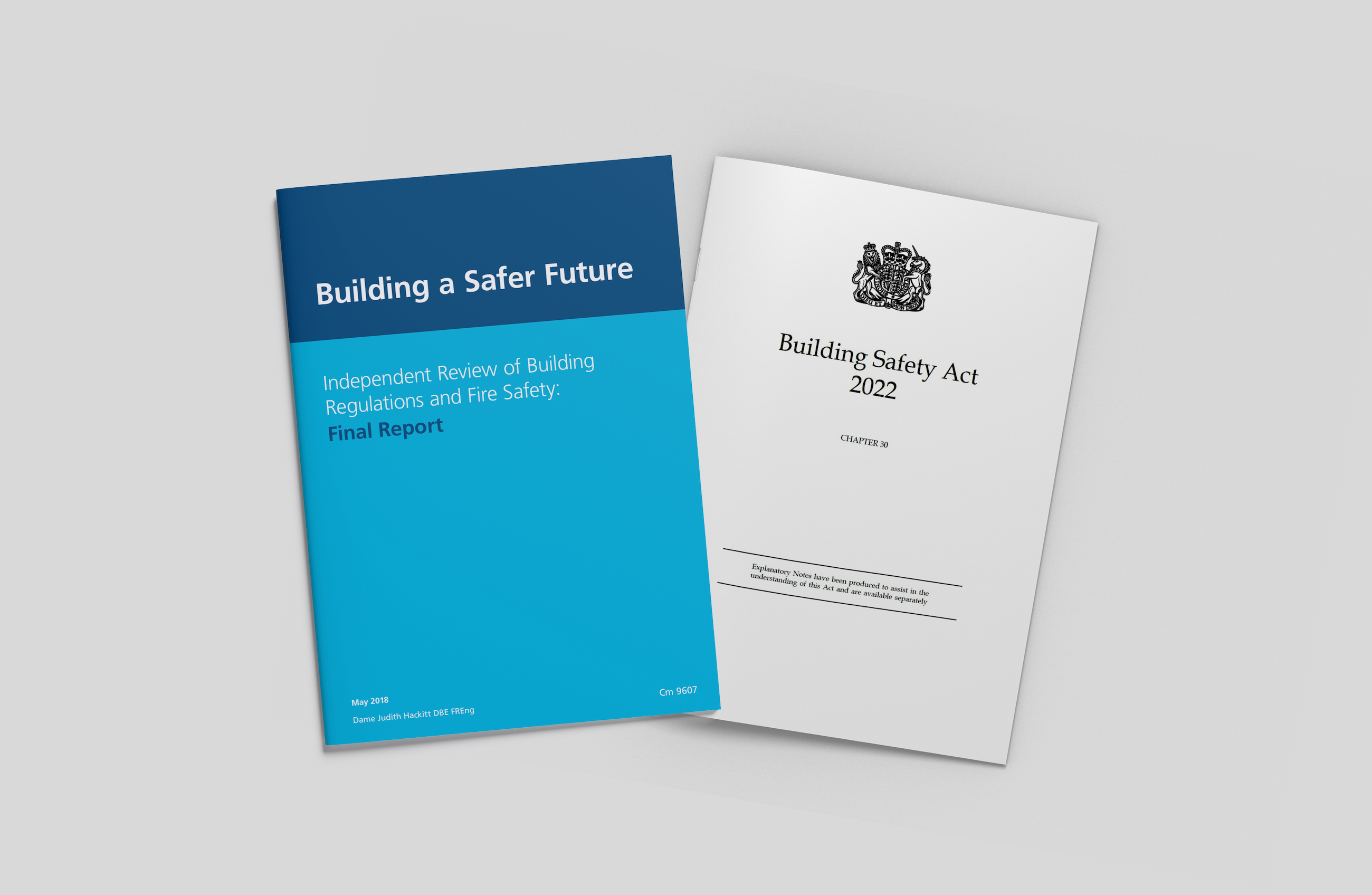
Industry Wide Shortfall
The Hackitt Enquiry identified a significant shortfall in competence in the fire safety area of the built environment. Electrotechnical fire safety is an area where competence requires improvement, and industry is working to address this through the introduction of qualifications for individuals working within BAFE SP203-1 scheme certificated organisations. However, BAFE SP203-1 scheme scope is limited to organisations (mainly specialist contractors) who design, install, commission and maintain fire detection and fire alarm systems in non-domestic premises to BS 5839-1 and domestic premises for Grade A systems only to BS 5839-6 as an extension to scope.
But what about everything else in the electrotechnical fire safety system space? Voice alarms, emergency voice communication systems, evacuation alert systems, Grade D domestic fire alarm systems for electricians, emergency lighting, and the mains power supplies that form part of the fire alarm, voice alarm, emergency voice communication and evacuation systems that specialist contractors design, install, commission and maintain?
The Growing Complexity Problem
Electrotechnical fire safety systems requirements are becoming more complex. Headline British standards such as BS 5839-1 now incorporate normative references to other British standards and codes of practice. This makes it hard and costly for organisations to keep on top of staff competence.
Consider the normative references to BS 5839-1 alone. BS 5839-8 for voice alarms, BS 7273-1 to 6 with parts 4 for actuation of release mechanisms for access controlled doors, powered access doors and door hold open devices for fire doors, and part 6 for the interfacing of other fire protection measures such as lifts, gas solenoid valves, smoke control systems. Then there are codes of practice for aspirating smoke detection and duct smoke detection. The list feels endless and unachievable to get staff to a level of competence and produce formats of certification and reporting that comply with British standard and industry code of practice criteria.
The introduction of changing criteria within British standards and codes of practice, combined with the introduction of additional competency schemes, is resulting in a growing dependency by contractors for support from trade associations, scheme providers and certification bodies to deliver positive outcomes.
Awareness Gap
Our longstanding electrical and gas safety competency schemes raise awareness to specifiers on competency requirement spin-offs such as ATEX for explosive atmospheres, Microgeneration Certification Scheme (MCS) for renewables, and Part P for domestic electrical installations. These are brought to the attention of industry stakeholders who specify and select contractors from known and understood competency schemes.
The fire industry is not delivering that awareness. It creates awareness from within the industry but not enough awareness to those who specify and procure services. They then inadvertently award contracts to consultants and contractors that are unable to demonstrate competence in areas such as voice alarms and emergency voice communication systems.
Unfortunately, the evidence shows the electrotechnical fire safety system sector is decades behind the mainstream electrical sector of the industry. The industry is currently heavily dependent on subcontractors to deliver compliance, and evidence has shown that the objective of compliant systems and the creation of the "golden thread" of compliant documentation is not being achieved.
Building Safety Act Requirements
Under the Building Safety Act, those procuring electrotechnical fire safety system design, installation, commissioning and maintenance services must be able to demonstrate competence of their supply chain. They must also demonstrate competence within their own organisation for procuring and managing that supply chain and creating a "golden thread" of documentation to evidence compliance.
There is more to demonstration of competence than specifying your supply chain are BAFE SP203-1 scheme certificated alone.
The Question
In consideration of the above, are you sure you can evidence demonstrable competence in all areas of your work packages through your supply chain?
To find out more on this subject please contact us register to take receipt of a free CPD certificated knowledge transfer that provides understanding on compliance and competence requirements and practical solutions for electrotechnical fire safety systems.